


History
Gingerbread has been baked in Europe for centuries. It varied from a soft, delicately spiced cake to a crisp, flat cookie or warm, thick, steamy-dark squares of "bread," sometimes served with a pitcher of lemon sauce or whipped cream. It was sometimes light, sometimes dark, sometimes sweet, sometimes spicy, but it was almost always cut into shapes such as men, women, stars or animals, and colourfully decorated or stamped with a mould and dusted with white sugar to make the impression visible.
The term may be imprecise because in Medieval England gingerbread meant simply "preserved ginger" and was a corruption of the Old French gingebras, derived from the Latin name of the spice, Zingebar. It was only in the fifteenth century that the term came to be applied to a kind of cake made with treacle and flavoured with ginger. Ginger was also discovered to have a preservative effect when added to pastries and bread, and this probably led to the development of recipes for ginger cakes, cookies, Australian ginger nuts and flavoured breads. The manufacture of gingerbread appears to have spread throughout Western Europe at the end of the eleventh century, possibly introduced by crusaders returning from wars in the Eastern Mediterranean. From its very beginning gingerbread has been a fairground delicacy. Many fairs became known as "gingerbread fairs" and gingerbread items took on the alternative name in England of "fairings" which had the generic meaning of a gift given at, or brought from, a fair. Certain shapes were associated with different seasons: buttons and flowers were found at Easter fairs, and animals and birds were a feature in autumn. There is also more than one village tradition in England requiring unmarried women to eat gingerbread "husbands" at the fair if they are to stand a good chance of meeting a real husband. Of course, you could always visit Elizabeth Botham & Sons, a family-run craft bakery on the North Yorkshire coast of England, and sample some authentic pastries.
If you lived in London in 1614, your family would have gone to the Bartholomew Fair on August 24. Of the special cakes prepared for holidays and feasts in England, many were gingerbread. If a fair honoured a town's patron saint, e.g., St. Bartholomew, the saint's image might have been stamped (and even gilded) into the gingerbread you would buy. If the fair were on a special market day, the cakes would probably be decorated with an edible icing to look like men, animals, valentine hearts or flowers. Sometimes the dough was simply cut into round "snaps."
Gingerbread-making was eventually recognized as a profession in itself. In the seventeenth century, gingerbread bakers had the exclusive right to make it, except at Christmas and Easter. Their street cries could be heard well into the nineteenth century, but in 1951, writer Henry Mayhew sadly recorded that "there are only two men in London who make their own gingerbread nuts for sale in the streets."
Of all the countries in Europe, Germany is the one with the longest and strongest tradition of flat, shaped gingerbreads. At every autumn fair in Germany, and in the surrounding lands where the Germanic influence is strong, there are rows of stalls filled with hundreds of gingerbread hearts, decorated with white and coloured icing and tied with ribbons.
If you lived in Nuremberg in 1614, your family would have gone to the Christkindlmarkt in December. You would have bought carved Christmas decorations, special sausages, and the famous Nuremberg Lebkuchen flavoured with ginger, which you probably would have thought was the best in the world. Nuremberg gingerbread was not baked in the home, but was the preserve of an exclusive Guild of master bakers, the Lebkuchler. Nuremberg became known as the "gingerbread capital" of the world and as with any major trading centre, many fine craftsmen were attracted to the town. Sculptors, painters, woodcarvers and goldsmiths all contributed to the most beautiful gingerbread cakes in Europe. Gifted craftsmen carved intricate wooden moulds, artists assisted with decoration in frosting or gold paint. Incredibly fancy hearts, angels, wreaths and other festive shapes were sold at fairs, carnivals and markets.
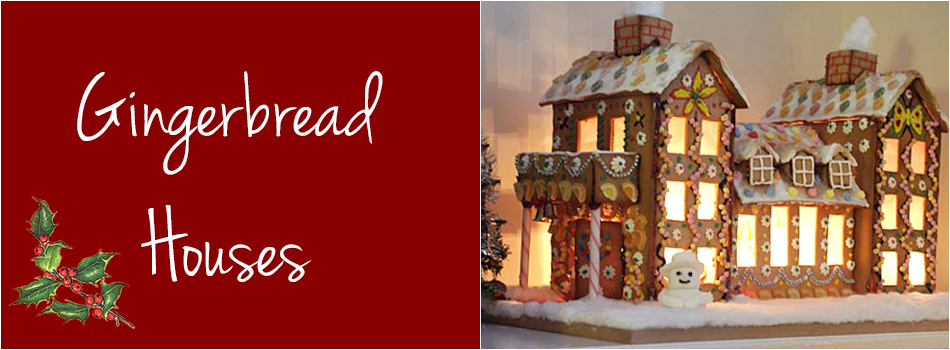
Lebkuchen are made throughout Germany and large pieces of lebkuchen are used to build Hexenhaeusle ("witches' houses," from the fairy tale Hansel and Gretel, also called Lebkuchenhaeusel and Knusperhaeuschen—"houses for nibbling at"). Nuremberg merchants, in fact, were so well known for their spices that they had the nickname "pepper sacks." From early on, Nuremberg's Lebkuchen packed into one recipe all the variety of flavourings available to its bakers—cardamom, cloves, cinnamon, white pepper, anise and ginger.
The traditions in France were closer to the German than the English ones, with noteworthy recipes for pain d'epices coming from Dijon, Reims and Paris. In 1571, French bakers of pain d'epices even won the right to their own guild, or professional organization, separate from the other pastry cooks and bakers. In Paris a gingerbread fair was held from the eleventh century until the nineteenth century at an abbey on the site of the present St. Antoine Hospital, where monks sold gingerbread cut into the shape of pigs.
During the nineteenth century, gingerbread was both modernised and romanticised. When the Grimm brothers collected volumes of German fairy tales they found one about Hansel and Gretel, two children who, abandoned in the woods by destitute parents, discovered a house made of bread, cake and candies. By the end of the century the composer Englebert Humperdink wrote an opera about the boy and the girl and the gingerbread house.
At Christmas, gingerbread makes its most impressive appearance. The German practice of making 'lebkuchen' houses never caught on in Britain in the same way as it did in North America, and it is here still that the most extraordinary creations are found. Elaborate Victorian houses, heavy with candies and sugar icicles, vie in competition with the Hansel and Gretel houses, more richly decorated and ornamented than most children could imagine in their wildest dreams. Gingerbread making in North America has its origins in the traditions of the many settlers from all parts of Northern Europe who brought with them family recipes and customs. By the nineteenth century, America had been baking gingerbread for decades.
American recipes usually called for fewer spices than their European counterparts, but often made use of ingredients that were only available regionally. Maple syrup gingerbreads were made in New England, and in the South sorghum molasses was used. Regional variations began occurring as more people arrived. In Pennsylvania, the influence of German cooking was great and many traditional Germany gingerbreads reappeared in this area, especially at Christmas time. The North and Midwest of America welcomed the Northern and Middle Europeans. At Christmas it is still very common in the Midwest to have Scandinavian cookies like Pepparkaker or Lebkuchen. Often one can find wives holding "coffee kolaches" (coffee mornings) at which European ginger cakes still reign. Nowhere in the world is there a greater repertoire of gingerbread recipes than in America —there are so many variations in taste, form and presentation. With the rich choice of ingredients, baking aids and decorative items the imaginative cook can create the most spectacular gingerbread houses and centrepieces ever.